
Tag: Prevention

  • National Lost Pet Prevention Month

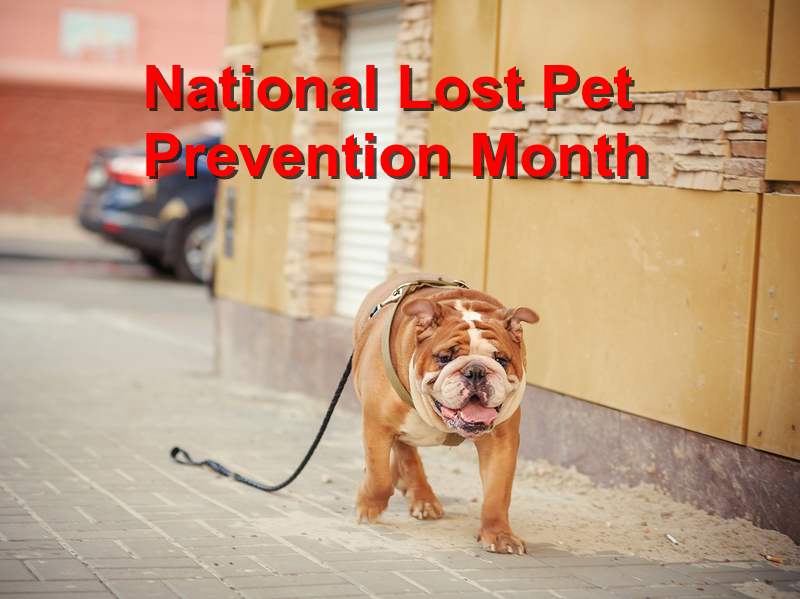
    National Lost Pet Prevention Month

    It is estimated that a pet gets lost every two seconds in the United States.

    And this is not surprising considering that statistics indicated that over 10 million pets will go missing every year. And apparently, only one in every ten such cases of pets going astray will reunite with their loving pet parents. In fact, a good chunk of them will wind up dead, get stolen or killed in traffic snarl-ups. It is for reason that PetHub Inc dedicated the month of July as the National Lost Pet Prevention Month in a bid to raise awareness of this appalling statistics. Every July each family with a feline or Fidos under their roof is encouraged to enforce measures that will ensure that their pet does not end up among the 33% of all dogs and cats that get lost at some point in their lifetime.

    In line with this, here a few handy pet loss prevention measures that you can take into consideration this year July.

    Keep them on a Leash

    One of the easiest and most practical ways of minimizing the chances of your barking buddy straying off is by keeping them on a comfortable leash or harness. And the leash ought to be always on, regardless of whether you’re just going for a short stroll to the mailbox or on a trip out of town. Remember that most pets are naturally inquisitive by nature; what might appear as a short dash after a stray squirrel might end up being a gruesome 6-hour long search. Keep him on a leash, always.

    Get your Pet a New Identification Collar

    A good collar is the best line of defense against accidental pet loss for two reasons. For starters, it effectively lessens the chances of your pet slipping off his leash. Secondly, a well-labeled collar makes recovering your pet remarkably easy in case he wanders off to another person’s home. What’s more, you can also have their collar fitted with a RFID microchip to make tracking them down far easier should they wander off accidentally. Alternatively, the chip can also be implanted directly under the animal’s skin.

    Obedience Training

    Nothing can forestall losing a pet more effectively than proper discipline and obedience training. Bear in mind that it is several times easier to lose an undisciplined pet than one that has been raised and taught to recognize and obey simple commands. Not to mention that highly disciplined and obedient pets will rarely stray or wander off even in the absence of a leash.

    SOURCE: Cat tipper

  • Dog Bite Prevention

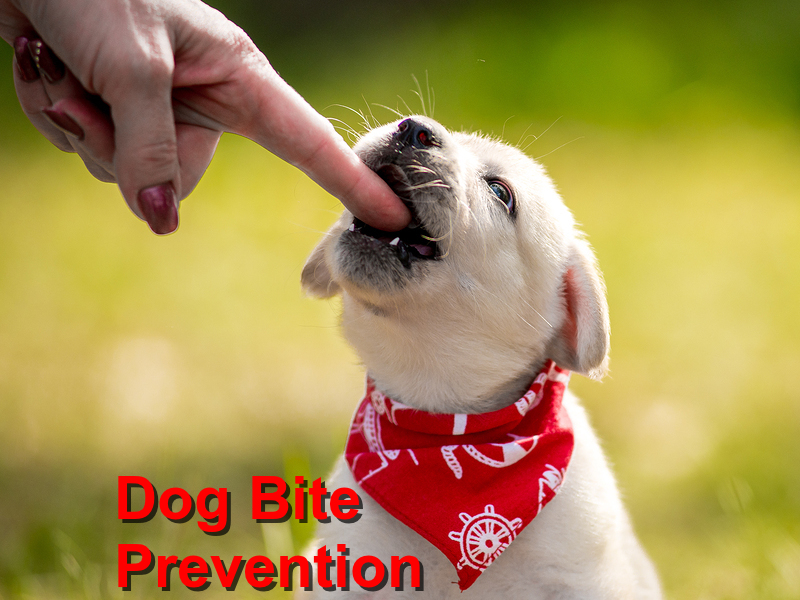
    Dog Bite Prevention

    It is estimated that more than 5 million people in the U.S are bitten by their four-pawed companions every year. To make matters more upsetting, cases involving young children make up more than 50% of these highly injurious incidents. In response to this, the AMVA ( American Veterinary Medical Association ) dedicated the third week of May every year to combat this distressing crisis and raise awareness of issues revolving around the dangers of dog bites. This year, 15th to 19th May has been set aside as the annual National Dog Bite Prevention Week, and as dog devotees, we’re all expected to stand in solidarity for a healthier and friendlier society for both our pets and kids.

    Join the Movement

    Preventing and combating the numerous cases of canine bites that have been on a worrying rise in the last four years requires the input of both pet owners and their immediate neighbors, friends, and family. As a responsible pet owner, it is your duty to caution who might want to approach or pet your dog without your consent. Also, cultivate the culture of walking your dog on a leash whenever in a public park or crowded place and teach your children/siblings the same. And when you get a new puppy, it is your responsibility to impart in them healthy socialization skills as early as possible to promote harmonious living with other pets and peoples.

    Protecting Our Children

    On the other end of the spectrum, children ought to be taught to never provoke a dog through pulling, pinching, kicking, poking or teasing. If anything, young children below five years shouldn’t be allowed to pet aggressive breeds of dogs until they are old enough to decipher an animal’s temperament and body language. Lastly but not least, ensure that you bring in Rover for a comprehensive check-up at least four times every year to protect them from common dog illnesses that might trigger unexplained hostility.

    SOURCES: AVMA, Dog Tipper

    COPYRIGHT: Local Value

  • Animal Cruelty And Violence Awareness Week

    Animal Cruelty And Violence Awareness Week

    As family and friends of our furry, finned and fine-feathered treasured companions, there is no doubt that news of animal cruelty is likely to rub us the wrong way. A majority of us cannot start to imagine someone laying a hand on our delicate and precious friends. And it is quite unfortunate that millions of pets all over the world are constantly exposed to undeserved violence, cruelty, and gross mistreatment from their masters and owners. At this juncture, if you’re wondering whether there is anything you could do to help alleviate this suffering, then you could start by showing solidarity to a movement that was started back in April 1966.

    The ASPCA ( American Society for the Prevention of Cruelty to Animals ) annually dedicates the 30 days of the month of April to raise public awareness of animal cruelty. You can also lend them a hand by supporting their cause that seeks to make the world a better place for our pets. In the next 30 days, you can assist this humane organization, and fellow animal/pet lovers mark this special month by undertaking one or more of the following responsibilities.

    1. Assisting or volunteering at the nearest local animal shelter center. This is also an opportune time of adopting a new four-legged companion.

    2. Help raise public awareness ( and funds )of the plight that unadopted animals face every day that they spend on the streets unclaimed. The few animal shelters we have are trying to rein in this situation but still require your valuable input.

    3. Spreading the message about the significance of pets in our lives through social media channels using the hashtag #fightanimalcruelty.

    Also, follow ASPCA on Instagram, Pinterest, Facebook and Twitter and encourage your online buddies to follow them too. Commit to sharing at least one of their social media posts ( on your timeline ) every day for the 30 days of April.

    SOURCE: Cat Tipper,  ASPCA
    COPYRIGHT: Local Value

  • Commemorating the National Pet Poison Prevention Week

    Commemorating the National Pet Poison Prevention Week

    The third week of March every year is routinely dedicated to raising awareness of pet poison prevention in the United States. And this year is no different: From March 19 to 25th, 2017, pet-owners are encouraged to join hands in eradicating the ever-present hazard of potential pet poisons in their homes and workplaces that are responsible for over a million deaths of our treasured companions every year.

    History of the NPPW ( National Pet Poison Prevention Week)

    It was first observed in March 1961 as a way of calling to attention the unseen dangers of pet poisons lying around in our homes and offices and how one can prevent accidental pet poisoning. In the past two years, hundreds of thousands of pets across the US, and millions of others in other countries have died from both deliberate and accidental chemical poisoning. This, coupled with the fact the environmental pollution is at its record high, has threatened to exterminate a significant pet population around the world.

    How you Can Join the Movement

    As a pet owner, you can contribute to this cause by playing your role in raising awareness of the unseen danger lurking in our homes in the form of potential pet poisons. It can be as simple as sharing ‘pet poison facts’ with your online family via social media tweets and hashtags either on Facebook, Instagram, or Twitter. Again, spread the message by viewing and sharing pet poison statistics [ http://poisoncontrol.utah.edu/publiced/pdfs/PoisonByTheNumbers2010.pdf ]

    In similar tandem, lead by example by cleaning out all potential pet poisons in your home’s basement, store, garage or cellar. This might range from unused and expired medicine tablets to undisposed old bottles that previously contained toxic substances such as household detergents and cleaning aids. Also, this is a good time to rid your garage of any potentially hazardous chemical. Alternatively, lock it up securely in a place where it is not easily accessible to pets.

    Poison Control Centers

    Lastly, when was the last time you visited or called your nearest poison control center or veterinary? The pet poison prevention week is also an opportune time to familiarize with the location and staff of your nearest poison center.

    SOURCE: American Association Poison Control Centers
    COPYRIGHT: Local Value