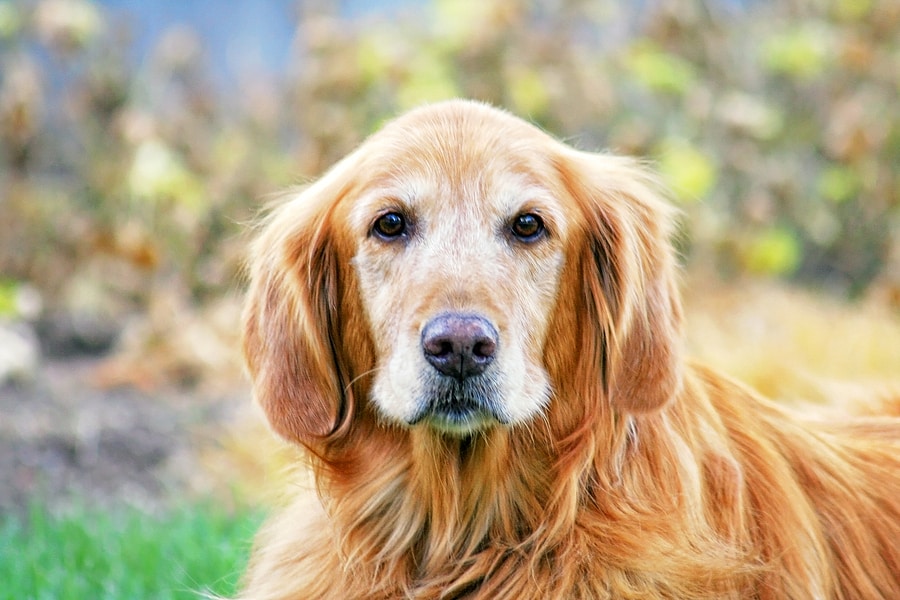
Our pets face common problems, from fear of baths to excessive excitement when they see their humans. Now that the National Senior Pet Month is just around the corner, it’s high time to get a short refresher course on how to care for your furry friends, especially if you have senior pets. Read on to learn about two common senior pet problems—matted fur and long nails, and how to handle them.
Tag: #senior
-

Caring for Your Senior Dog
Matted fur is a sign of poor health. If your dog or cat does not feel well, he tends to stop grooming. Arthritic dogs and cats take less of an interest in grooming because doing so is painful. Other factors like nausea, poor teeth and gum conditions, even stress can contribute to the lack of grooming that results to matted fur.The first step in dealing with matted fur is to determine the underlying reason why grooming suddenly stopped. If your dog or cat stopped grooming because of bleeding gums or loose teeth, immediate dental attention is required. Stress and nausea can be determined by looking at changes in eating habits, vomiting, lack of energy, and weight loss. In cases like these, bringing your pet to us is the wisest thing you can do. If your dog has been diagnosed with arthritis, you can handle the grooming routine yourself. Any unknown sources of body pain or soreness should be referred to the us.Almost every dog hates having their nails clipped. Reactions range from mild irritation to outright terror once they see that the nail clippers are out. Long nails are problematic especially for senior dogs because they make walking difficult, affect posture, and acerbate joint problems like arthritis.Regular walks on rough surfaces like concrete can help keep your dogs’ nails short. You can also use nail trim mats around the house. These are mats with rough surfaces that file down the nails as your dog walks on them.However, the best thing you can do is to condition your dog to not be fearful of nail clippers. The best time to do this would be when your dog is still a puppy. If this is not possible, take time to introduce the clipper to your dog. Start with acclimating your dog to the sensation of having his paws handled. Make this pleasant by pairing with a good belly rub. Gradually introduce the clipper or grinder, making sure to look out for signs of stress so you know when to stop. Follow a pace that is comfortable for your dog. You can turn the grinder on if and when the dog does not show signs of stress. Do this consistently and you will start to see improvements on how your dog responds to nail clippers and having his nails clipped or ground.Our pets face a number of health issues that are easily preventable if you know how. Keep these tips in mind so you can handle pet problems like matted fur and long nails properly.SOURCES: Pet Health Network, PetFul.comCOPYRIGHT: Local Value -

Senior Pets
Did you know that cats and dogs are usually considered “senior” at 7 years of age? Larger breeds of dogs are even considered senior at 5 years old. That being said, it is important to remember that not only is your pet’s coat color getting greyer, but also your pet’s organ systems are changing as they age. Below are some things that you need to be on the look out for:
- An older pet is more likely to develop diseases such as heart, liver and kidney disease, cancer or arthritis. Cancer accounts for about half of the deaths of pets over the age of 10.
- It is normal for pets to lose some of their sight and hearing as they age, just like humans. If your pet’s eyesight is failing, avoid rearranging or adding furniture or other items that could become obstacles.
- If your pet is starting to avoid jumping, active playing or even daily activities such as jumping into your car, it may have arthritis.
- Behavioral changes in your pet can serve as the first indicators of againg or of a problem. Changes might be due to pain, or worsening signt or hearing or even due to its normal aging process.
- Weight can have an enormous effect on an older pet’s health. Excess weight in older pet increases the risk of arthritis, difficulty breathing, diabetes, high blood pressure, skin problems, cancer and other conditions.
Because older pets are more likely to develop certain conditions, it is very important that they are regularly examined by a veterinarian to maintain them healthy. For more senior pet’s information go to the American Veterinarian Medical Association Senior Pets webpage.