Tag: pet safety

  • 4 Best Tips To Keep Your Pets Safe This Winter

    4 Best Tips To Keep Your Pets Safe This Winter

    When we think of winter we probably think of getting into a cold vehicle and having to wake up an hour early just to get to work in chilly winter conditions. But what about our pets? Should you limit them to being outside in the cold? Is too much cold, well, too much? Whether your pet stays inside or loves playing outside, you have to look into the risk involved with your pets and frigid temperatures.

    Keeping Your Pet Safe During the Winter Season

    1. Keep Them Warm

    Adult dog and cat body temperature range from about 100 to 102.5 degrees F. Puppies and kittens, though, have trouble maintaining body temperature. Shorthaired pets have less protection, but even wooly cats and dogs are at risk. Thinly furred areas or body parts exposed to the wind or that come in contact with the icy ground have little protection from the cold.

    2. Prevent Dry Skin

    Cold air dries skin out. So does the heat from indoor heaters. Dogs and cats often develop dry skin, dull coats, and static-filled fur during the winter as a result. What I’ve found to work are fatty acid supplements. They nourish the skin and fur, and counteract the drying effects of the blistering winter weather. You can find fatty acid supplements from pet supply stores or from your local veterinarian.

    3. Dry Them Off

    Your pets should be kept inside when temperatures drop below about 40 degrees or the weather gets really bad. Be sure to dry off your dog or cat when they come inside every time. Damp feet and fur make pets feel even colder. Moisture doesn’t evaporate well in the winter either, and can cause skin to dry and crack which can be extremely painful. Be sure to check between your pet’s paw-pads after he’s been out in the cold to ensure ice hasn’t formed into chunks in the fur. A quick dip in warm water or a foot bath with a warm, wet towel can do the trick.

    4. Check the Heat

    Cats love the heat. They may get so close to the flame they singe their fur and risk catching a fluffy tail on fire. Place a safety screen in front of your fireplace to help keep the cats a safe distance away, to prevent burns. Also, be sure to check furnaces for your own safety as well as the pets.

    Let’s keep our pets safe this winter and prevent them from getting frostbite, hypothermia or getting injured. Contact your local vet for any questions or concerns you may have.

    Source: PetSafe
    Copyright: Local Value

  • Valentines Day Safety Tips For Your Pet

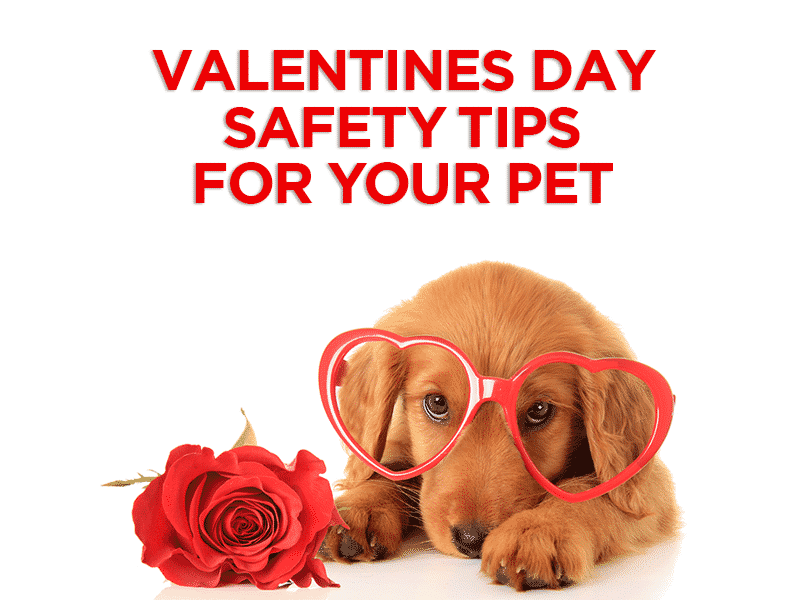
    Valentines Day Safety Tips For Your Pet

    Valentine’s Day is almost here and though most people don’t think of safety tips for their pets on this love filled holiday, here are three important tips to keep your furry ones safe.

    • Keep your pet away from Chocolate and Sweets – You should know that chocolate, sweets and pets don’t mix. Don’t leave sweets out where your pet can get to it. Chocolate can cause abnormally high heart rhythms in dogs. Just remember: The darker the chocolate the more deadly it is. Candies contain natural sweeteners that can be fatal to them as well. So lock those sweets up and save yourself a trip to the ER!


    • Make sure the flowers for your sweetheart are safe – The aroma of fresh flowers can entice your pets and stir up curiosity to smell or try to eat them. Be careful! Lilies can be toxic to cats and thorns from a rose can be swallowed. Again, something that many cat owners might have thought about so be careful when picking an arrangement and make sure it’s “animal friendly.”
    • Gift wrapping – Usually gift wrapping, bows or ribbons of any kind will attract your pets, especially your cat. When you open your gifts it’s important to clean up all gift wrapping so you don’t give your furry ones the chance to swallow anything that will pose any serious health risks.

    So remember: when you are thinking about your loved ones this Valentine’s Day, don’t forget about your four-legged friends. Taking the extra steps to ensure that your pet is not in danger will save you some vet visits in the future. Our furry friends give us unconditional love and companionship year-round and deserve a show of affection from you, too!

    If you have any concerns about these tips, you should always contact your vet.

    Sources: Petsafe, Pet Health Network